What is E-Waste
E-Waste otherwise known as Electronic waste, is unused, or discarded devices such as phones, tablets, tv's, computers and batteries. Every year millions of products are discarded or become outdated, and are thrown away. Only a small percentage of the discarded e-waste is properly recycled.
Why is e-waste harmful?
To the consumer, everyday electronics may not seem dangerous during use, but when disintegrated in landfills, e-waste tends to leach heavy metals and chemicals into the land. Lead, chromium ,cobalt and cadmium are common inside everyday tech, and when sent to landfill or dumped illegally can leach into the environment, contaminating local soil, and waterways.
Lots of e-waste from corporations have 'locks' which prevent the reuse of a perfectly good device which is only limited by software. E-waste is being further driven by consumer driven products, and with consumers upgrading more frequently. According to the ABC, each Australian produces around 20kg of e-waste per person, per year. That is more than double compared to the global trend of 7kg. In 2022 only 50% of e-waste was recycled, and out of that 50%, only 35% of the valuable materials were recovered. This means that only 17.5% of rare earth metals were recovered, out of all the e-waste in Australia, meaning rare earth metals will have to be dug out of the ground, increasing co2 emissions.
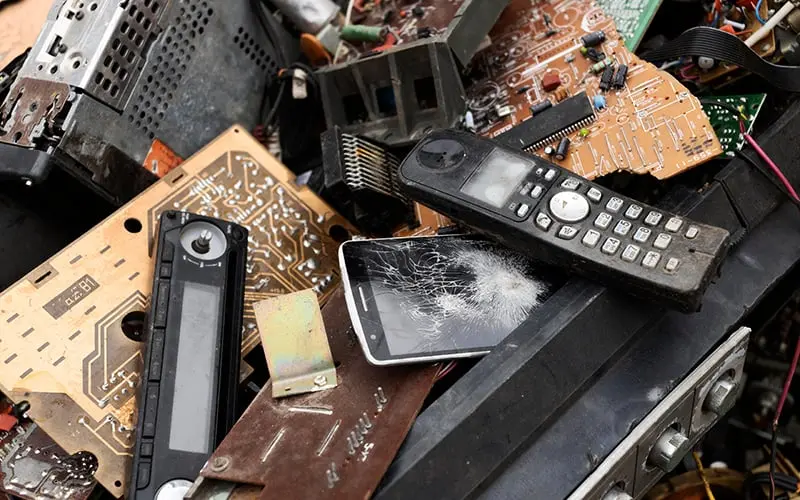
Image under creative commons licence , obtained from https://www.freemalaysiatoday.com/category/business/2023/10/12/un-reports-us9-5bil-of-key-metals-in-overlooked-e-waste/
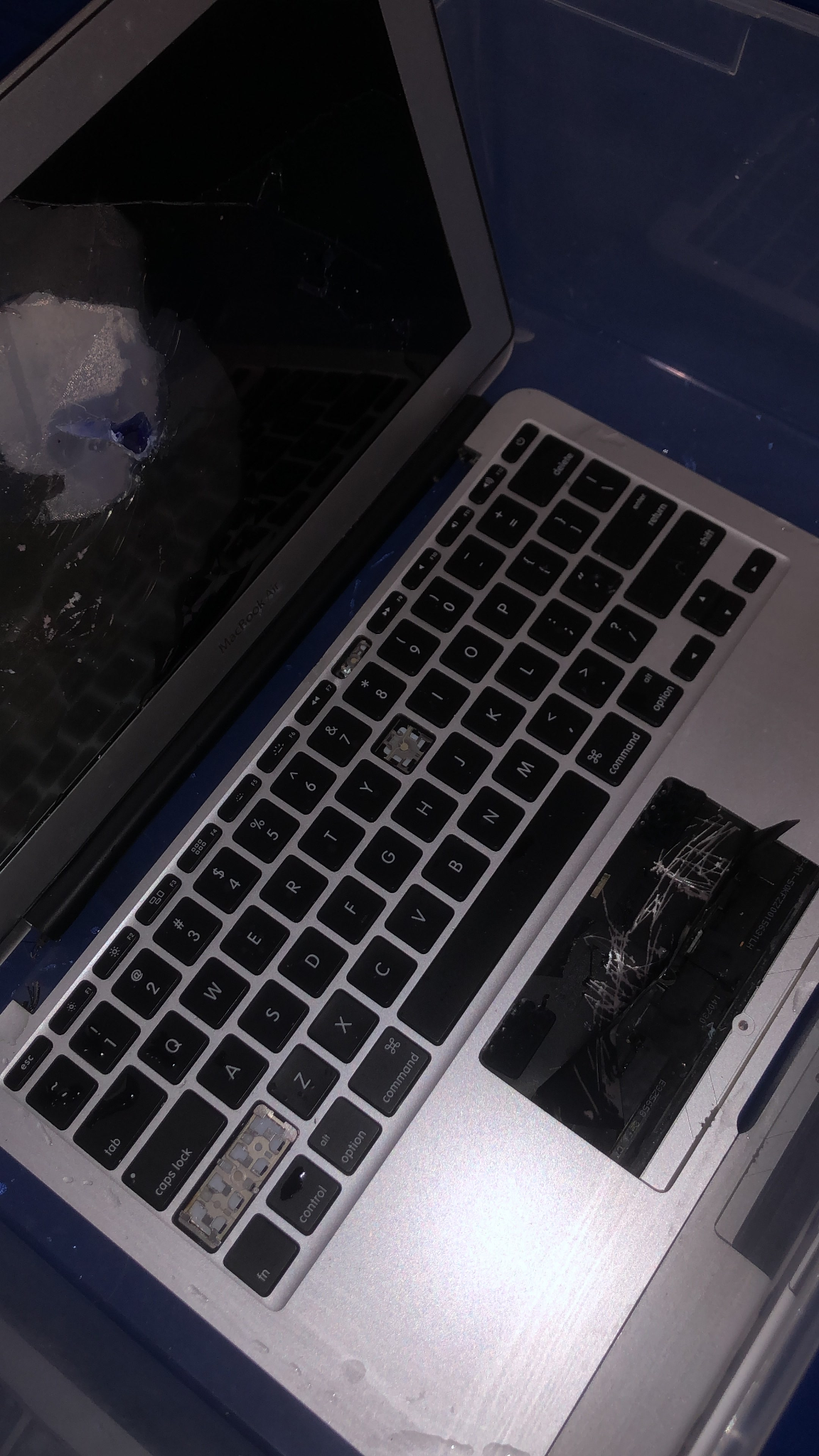
Broken MacBook, Own work